How long can a China-made 4K action camera record before its battery runs out? The answer depends on more than the battery’s printed capacity. Resolution, frame rate, stabilization, screen use, Wi-Fi, and outdoor temperature all affect runtime. A camera recording 4K video at a high frame rate may use power faster than one filming in a cooler, simpler setup. Small details matter. A bright screen and cold morning can shorten a ride’s recording window.
For this guide, the question is practical: what is the battery life of a 4k action camera during real use, not just under ideal conditions? Sports-tech reviewer Ray Maker’s hands-on camera testing offers a useful reminder: “Test runtime with the settings you actually use.” This is an editorial paraphrase of his testing approach, not a direct quotation. That distinction matters. A single number can sound precise while hiding differences between models and shooting conditions.
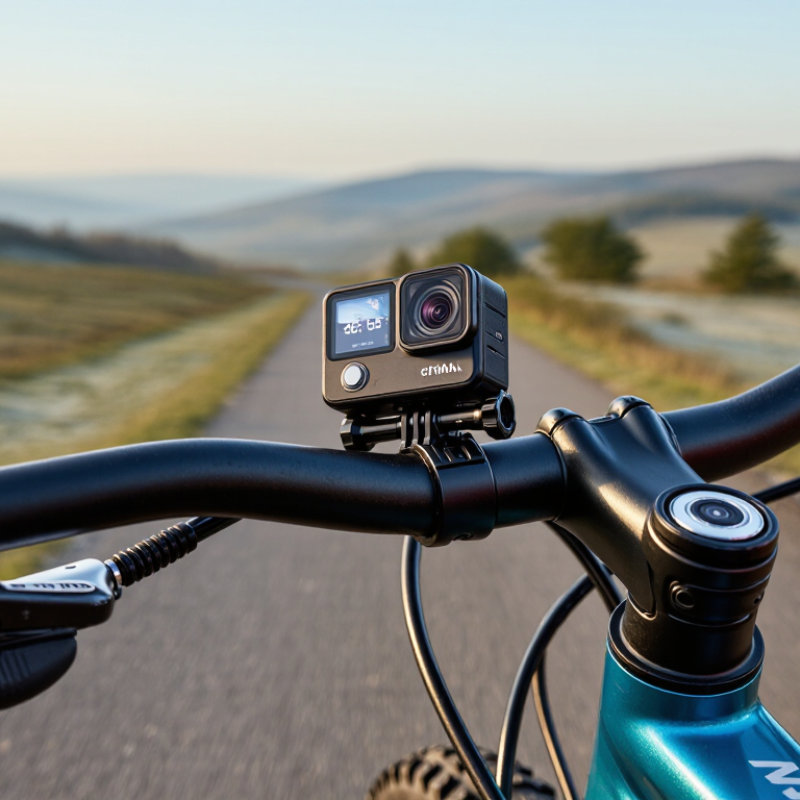
We’ll look at how to compare China’s leading 4K action cameras, what affects their recording time, and which battery claims deserve a closer look. Think of a long bike ride: the camera is mounted, stabilization is on, and the screen lights up at every stop. That is not a lab test. It is real life. And real life can be messier than a product page suggests.
What Battery Life Means for China’s Top 4K Action Cameras
For China’s top 4K action cameras, battery life is not one fixed number. It is the recording time available under specific settings and conditions. A useful comparison needs resolution, frame rate, stabilization, screen use, and temperature. CIPA’s DCG-002-2023 battery-life test counts still images per charge; it does not measure continuous 4K recording minutes. That distinction matters. A camera’s advertised figure may not match a cold morning on a windy ridge.
Capacity alone tells only part of the story. For example, a hypothetical 1,700 mAh battery at 3.85 volts stores about 6.5 watt-hours. At a steady 4-watt load, that suggests roughly 1.6 hours before conversion losses and shutdown reserve. Real recording time will usually be lower. High frame rates, bright displays, wireless connections, and image stabilization can increase demand. Heat can also trigger limits. I would treat any single runtime figure as a test result, not a promise. Even careful comparisons can miss small differences in settings.
Tips: Compare continuous 4K tests made at the same frame rate and temperature. Start with a full charge, keep the screen setting consistent, and note the shutdown time. Small details change the result. Keep a spare battery warm in cold weather, and check runtime again after months of use.
How Long 4K Action Cameras Typically Record on One Charge
A 4K action camera typically records for about 60 to 120 minutes on one charge. The exact runtime depends on the model and recording setup. Published action-camera tests from RTINGS show substantial differences between devices and settings, so a single figure can be misleading. Their results are useful comparisons, not a promise of field performance.
Higher frame rates, strong image stabilization, bright screens, and wireless connections all draw more power. Cold weather can shorten runtime too. In practical use, a camera recording 4K at 60 frames per second may stop well before two hours, especially with stabilization enabled. At 30 frames per second, with the screen dimmed and wireless features off, it may last longer. Small changes matter. A chilly morning or frequent playback can eat into the estimate. This is not a perfect prediction; battery age and airflow also affect results. For a reliable shoot plan, test your own settings from a full charge and carry a spare battery. Check the runtime at the temperature you expect to work in.
China Top 4K Action Camera Battery Life: How Long Can They Record?
Typical recording time on one full charge, by 4K frame rate
Estimated recording times are approximately 60–90 minutes at 4K/30 fps, 45–70 minutes at 4K/60 fps, and 30–50 minutes at 4K/120 fps. Higher frame rates generally use more power. Actual results vary with camera design, battery condition, temperature, screen use, and wireless features.
Which Settings and Conditions Affect Recording Time
A 4K action camera’s recording time depends on more than battery capacity. Higher frame rates and bitrates require more processing and can increase power use. Stabilization also adds work, while a bright rear screen and active wireless connections draw power continuously. Small changes add up. Turning off the screen between shots and disabling unused wireless features can help, though the gain varies by camera and temperature.
Storage speed matters, too. The SD Association’s Video Speed Class specification defines V30 as a minimum sustained write speed of 30 MB/s. A suitable card helps maintain recording, but it does not guarantee longer battery life. Cold conditions can reduce a lithium-ion battery’s available output, and a warm camera body may signal sustained processing load. CIPA’s DC-002 camera battery test procedure measures still-image use, not continuous 4K recording, so its results cannot predict video runtime directly. That distinction is easy to miss. For a practical estimate, test your exact resolution, frame rate, stabilization, screen brightness, and wireless settings in the conditions you expect to encounter. Small test sessions may still mislead; ambient temperature and battery age can shift the result.
China Top 4K Action Camera Battery Life How Long? - Which Settings and Conditions Affect Recording Time
Typical estimates for a healthy action-camera battery at room temperature. Actual recording time varies by camera, battery capacity, firmware, and recording conditions. Figures are approximate, not guaranteed test results.
| Setting or condition |
Typical effect on runtime |
Illustrative 4K recording time |
Why it matters |
| 4K at 30 fps; stabilization on; Wi-Fi off; screen mostly off; 20–25°C |
Reference setup |
About 70–90 minutes |
A practical baseline for many compact action cameras with a fully charged, healthy battery. |
| 4K at 60 fps instead of 30 fps |
Usually shorter |
About 45–70 minutes |
Higher frame rates require more image processing and can increase power use. |
| Electronic stabilization enabled |
Often reduces runtime modestly |
Varies by model and mode |
Stabilization adds processing; the power cost differs between cameras and stabilization levels. |
| Rear screen left on continuously; high brightness |
Shorter |
Often several minutes to over 10 minutes less |
The display consumes power, especially at high brightness or when kept active during recording. |
| Wi-Fi or Bluetooth active; frequent live preview or file transfer |
Shorter, especially with sustained wireless use |
No single reliable figure; depends on use |
Wireless connections and a connected phone can add power draw and heat. |
| Cold weather, around 0°C or below |
Can be noticeably shorter |
Highly variable |
Lithium-ion batteries deliver less usable capacity in the cold; wind and exposure can make conditions worse. |
| Hot environment or camera overheating |
Recording may stop early |
May end before the battery is depleted |
High resolution, direct sun, limited airflow, and charging while recording can raise temperature. |
| Aged, cold, or partially charged battery |
Shorter than the reference estimate |
Depends on battery condition and charge level |
Battery wear reduces capacity; low charge and low temperature further limit available recording time. |
To extend recording time, use 4K at 30 fps when suitable, disable wireless features when not needed, reduce screen brightness, set the display to sleep, and keep spare batteries warm in cold conditions. Effects are not strictly additive.
How Battery Life Varies Across Camera Types and Models
Battery life varies sharply by camera type, recording settings, and even the shape of the battery. A compact 4K action camera may record for roughly 45–90 minutes per charge in real-world use; higher frame rates, bright screens, and strong stabilization usually shorten that window. Larger cameras with higher-capacity batteries can last longer, but they add weight. Small details matter. Cold air can also cut runtime, especially during outdoor filming.
Model comparisons need careful reading. The Camera & Imaging Products Association’s CIPA DC-002-2014 standard describes repeatable battery-life testing for digital cameras, but its still-photo ratings do not directly predict continuous 4K video time. Check whether a test used 4K at 30 or 60 frames per second, screen playback, Wi-Fi, and stabilization. Without matching those settings, two “battery life” numbers may not be comparable. I’ve found this easy to overlook; a neat specification can feel more certain than it is.
Tips: For a fair test, record a fixed 20-minute 4K clip at your intended frame rate. Note the battery percentage, screen use, and temperature. Carry a spare for long shoots, and leave room for error.
How to Choose and Extend a 4K Action Camera Battery
China Top 4K Action Camera Battery Life How Long?
Choosing a 4K action camera battery starts with how you plan to film. A larger capacity can help, but recording time also depends on frame rate, stabilization, screen use, and wireless connections. A camera recording high-frame-rate footage may run out sooner than one capturing standard 4K video. Cold weather can shorten runtime, too. Cold drains cells faster. Check the maker’s stated runtime, then look for independent tests using settings close to yours. Treat advertised figures as a guide, not a promise. My own planning would still leave a margin; real outings rarely match test conditions.
Tips: Turn off Wi-Fi and the screen when you do not need them. Lower the frame rate for scenes that do not need slow motion. Carry a charged spare, and keep it warm in a pocket during cold-weather shoots. Small details matter. Avoid charging a hot battery immediately after heavy recording; let it cool first, and use a charger suitable for the camera.
Before buying, compare battery availability, charging options, and how easily batteries can be swapped in the field. A compact camera may have limited internal space, so a bigger battery is not always an option. Test your usual setup at home: record for 20 minutes, note the remaining charge, and repeat with stabilization or Wi-Fi enabled. It is a slightly tedious check, but it gives you a more useful estimate than guessing from capacity alone. Expect battery performance to change with age, too.
Conclusion
This guide explains what is meant by battery life in a 4K action camera and answers the question, “what is the battery life of a 4k action camera?” In many cases, a fully charged camera can record for roughly one to two hours, but actual performance varies. Recording resolution and frame rate, screen use, wireless connections, stabilization, temperature, and battery condition can all affect how long filming lasts.
Battery life also differs between compact, rugged, and feature-rich camera designs, so comparing stated capacity alone may not tell the whole story. When choosing a camera, consider your typical recording sessions, access to spare batteries, and charging options. To extend recording time, lower settings when practical, switch off features you do not need, keep the camera within a suitable operating temperature, and carry a charged spare for longer outings.

 Vuelo Camera