Choosing the China Best Kids Camera for Teaching Photography involves more than selecting colorful buttons and a durable body. A useful camera should help children notice light, shape, distance, and emotion. It should also feel comfortable in small hands. This introduction explains how to use a kids camera to teach photography through simple practice, patient guidance, and meaningful observation.
Photography educator Ansel Adams offered a lasting principle: “You don’t take a photograph, you make it.” Children can explore this idea by photographing a red leaf beside a gray wall, a toy under a window, or a family member smiling naturally. These ordinary scenes create practical lessons about framing and light. Parents and teachers can ask, “What do you want people to see first?” The question encourages intention without making photography feel like homework.
A reliable kids camera should support this process with clear controls, safe materials, and easy image review. Features such as a wide-angle lens, simple menus, and a wrist strap can reduce frustration during outdoor activities. However, no camera automatically creates strong photographs. Children still need time, examples, and permission to make mistakes. Some pictures may be blurry. That is useful feedback, not failure. Adults should discuss why an image feels successful, rather than judging it too quickly. This guide will compare practical camera features and show small exercises that build confidence, curiosity, and visual thinking. Great photography can begin with one careful look.
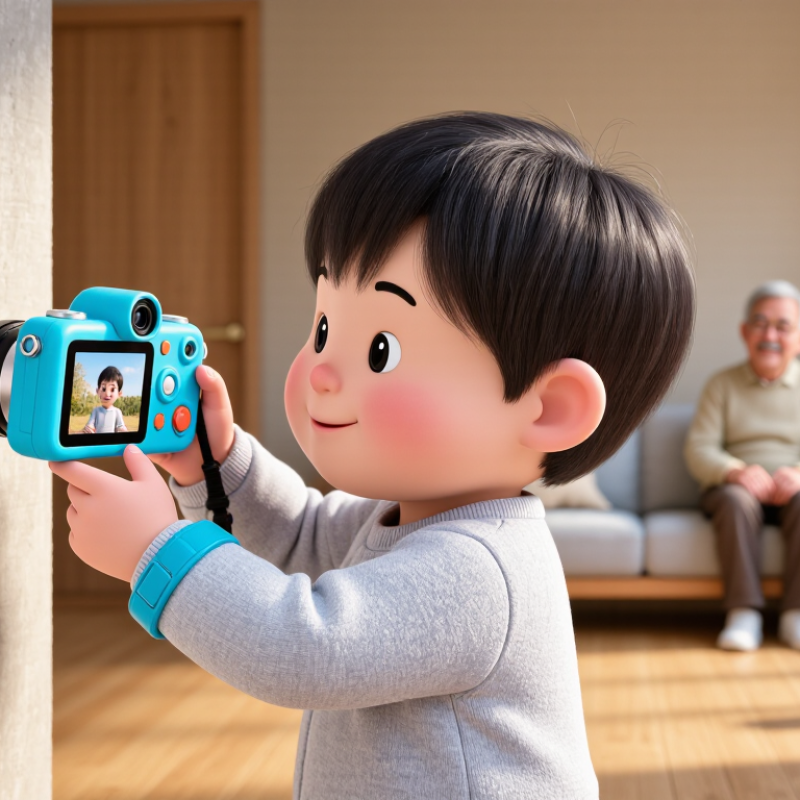
China Best Kids Camera for Teaching Photography
A suitable kids camera should make learning feel immediate, not technically intimidating. From classroom practice and family photo activities, three qualities matter: simple controls, sturdy handling, and honest image feedback. A large shutter button helps small fingers react quickly. Clear icons reduce reading pressure. Children should adjust brightness, focus, or flash without opening complicated menus. Too many filters can hide basic mistakes. Keep it simple.
Image quality still matters, even for beginners. A small screen should show enough detail to discuss framing, light, and movement. Indoor photos may look grainy, especially near a dim window. That limitation is useful. It encourages children to move closer, steady their hands, or find better light. A camera with a short delay also supports learning because children can connect an action with its result. I once assumed more megapixels meant better teaching, but that was not always true. Easy feedback created more useful conversations.
Reliable construction supports regular practice. A textured grip, protected lens area, and lightweight body can survive classroom movement and outdoor walks. Parents should check battery safety, charging instructions, storage capacity, and age guidance before purchase. Privacy deserves attention too. Local storage is often easier to supervise than automatic online sharing. Good tools protect children. They should also invite curiosity, not replace it. A child may photograph a wet leaf, cut off half the subject, and still discover an interesting angle. That imperfect frame is part of the lesson.
A learning-focused kids camera should help children understand the exposure triangle. The chart shows the number of standard exposure stops available in practical beginner exercises, without using any company or brand data.
How to read the chart: Shutter speed uses 1/30–1/1000 second, aperture uses f/2.8–f/8, and ISO uses ISO 100–1600. Each stop represents a standard doubling or halving of light, making these controls useful for teaching motion, depth of field, and brightness.
When choosing the best kids camera for teaching photography, compare learning-friendly features, not just megapixels. CIPA reported 8.49 million digital cameras shipped worldwide in 2024, showing that dedicated cameras still have practical value. For beginners, a simple mode dial, physical shutter button, and clear icons reduce screen confusion. A lightweight body also matters. Small hands struggle with thick grips and heavy accessories.
Durability should be tested in real situations. Look for a protected lens, recessed controls, and a battery that survives a full afternoon outdoors. A 2-megapixel camera can teach framing, light, and timing effectively. High resolution is not automatically better.
Storage should be simple, preferably with a removable card and clear transfer instructions. Ofcom’s Children and Parents: Media Use and Attitudes Report 2024 shows that internet-connected devices are deeply embedded in children’s daily lives, so privacy controls deserve equal attention. Avoid unnecessary online sharing, microphones, or location features. Less can be safer.
For photography lessons, compare timer modes, exposure adjustment, and video limits. A child can photograph a window, a red leaf, or a moving pet, then explain the result. That conversation teaches more than automatic filters. I would not trust every advertised “educational” feature; some add noise rather than skill. Check the manual, repair options, and actual button response before buying. The best beginner camera may look modest, but it should invite repeated, independent use.
China Best Kids Camera for Teaching Photography
Choosing the best kids camera depends on a child’s age, hand strength, and attention span. For preschool children, select a lightweight camera with large buttons and simple controls. A bright screen helps them frame toys, pets, and family moments. Shock-resistant housing is useful, but no case prevents every accident.
Children aged six to nine can manage basic menus and rechargeable batteries. Choose clear icons, a comfortable grip, and enough storage for repeated practice. They can learn framing through simple tasks, such as photographing circles, shadows, or three colors. For ages ten to thirteen, look for adjustable focus, exposure guidance, and video options. Teenagers may benefit from manual controls and a more accurate lens. However, complicated features can discourage beginners. More control is not always better.
Tips: Test the camera in a child’s hands before buying. Check whether buttons are reachable without changing grip. Encourage children to review blurry images and explain what went wrong. An adult should guide respectful photography and avoid sharing images without permission. In teaching sessions, keep batteries charged and use a wrist strap outdoors. I once focused too much on image quality and overlooked menu design. The camera performed well, but the child stopped using it. That experience changed my priorities: comfort, clarity, and enjoyable practice should guide the final choice.
A kids camera can turn an ordinary afternoon into a practical photography lesson. Children learn to notice shape, color, distance, and light. A red cup beside a bright window becomes an easy study in contrast. Outdoor shooting also teaches them how shadows change during the day.
Framing is an important skill. Ask a child to photograph the same tree from three positions. Each view tells a different story. They can practice filling the frame, leaving empty space, and keeping the subject clear. Simple controls help children focus on decisions rather than complicated settings. Still, unclear instructions can create frustration.
Patience develops through repeated attempts. A child may photograph a moving dog and capture only a blurry tail. That result is useful. They can adjust their distance, hold the camera steadily, and try again. Reviewing images builds visual judgment and basic editing awareness. It also encourages honest self-criticism.
Photography can teach respectful observation. Children should ask before photographing people and avoid sharing private images casually. A short discussion about permission makes the activity more responsible. In my experience, children often chase perfect pictures too early. Some imperfect photos deserve attention. They show progress, curiosity, and a willingness to look again.
Safe photography teaching begins with controlled practice, not expensive equipment. Choose a lightweight kids camera with rounded edges, a wrist strap, and simple physical buttons. Check the battery compartment and memory-card cover before every session. Keep charging supervised by an adult. Never photograph strangers, private homes, school records, or identifiable locations without permission.
The Common Sense Census: Media Use by Tweens and Teens 2021 reports that tweens spend about five hours and thirty-three minutes daily on entertainment media, excluding schoolwork. A camera can turn some passive screen time into active observation. Give children a small task: photograph three textures, one shadow, and a red object. Keep sessions short. Ten minutes works well. Ask what they noticed, not whether the picture looks perfect. Their answers reveal learning.
Privacy matters as much as composition. UNICEF’s State of the World’s Children 2021 reports that more than one in seven adolescents aged 10–19 lives with a diagnosed mental health condition. Avoid public criticism and never pressure children to share images online. Let them delete unsuccessful photographs. I once focused too much on sharpness and missed a child’s excitement about a blurred bicycle wheel. That was poor teaching. Review images together, discuss consent, and let children suggest the next experiment. Mistakes belong in the lesson.
Choose a lightweight camera with large buttons, simple controls, and a bright screen.
Look for clear icons, a comfortable grip, rechargeable batteries, and enough storage.
Adjustable focus, exposure guidance, and video options can support growing skills.
Teenagers may enjoy manual settings and a more accurate lens.
Place the camera in the child’s hands and check button reach.
Try a ten-minute task with three textures, one shadow, and one red object.
Explain consent before photographing strangers, private homes, school records, or identifiable locations.
Check the battery compartment and memory-card cover before each session.
Review them together and ask what happened.
Choosing the best kids camera for teaching photography means focusing on simplicity, durability, safety, and age-appropriate design. A suitable camera should have easy controls, a clear screen, comfortable handling, useful automatic settings, and enough storage for practice. Younger children may benefit from lightweight cameras with large buttons and protective bodies, while older children can use models that offer greater control over focus, exposure, and composition. Battery life and safe, non-distracting features are also important when comparing options.
The goal is not only to take pictures but also to build creative and technical skills. Children can learn framing, lighting, colors, perspective, timing, and storytelling through fun activities such as photographing objects, nature, or family moments with permission. Parents and teachers can demonstrate how to use a kids camera to teach photography by starting with simple challenges, encouraging experimentation, and discussing each image positively. With regular practice and guidance, children can develop confidence, observation skills, patience, and a lasting interest in photography.
