China Top 10 Waterproof Cameras What Depth Is Best?

Time:2026-10-18 Author:Sienna
0%

Choosing a waterproof camera is not only about megapixels, stabilization, or a bright screen. The critical question is simple: what is the best underwater depth for waterproof cameras? The answer depends on your activity, camera rating, water pressure, and shooting habits.

CIPA’s Camera and Imaging Products Market Data shows continuing demand for compact and interchangeable-lens cameras in outdoor and travel photography. Meanwhile, Grand View Research identifies adventure recreation and action-camera use as important market drivers. These reports explain why manufacturers now promote stronger sealing, underwater modes, and compact diving housings. However, marketing language can create confusion. A camera marked waterproof to 10 meters may suit swimming, kayaking, and shallow snorkeling. It may not be suitable for repeated dives, rough surf, or prolonged underwater use.

Depth changes quickly.

At 10 meters, water pressure is already approximately twice the pressure at the surface. Buttons can become harder to operate, and small seals may fail when sand, salt, or temperature changes are present. A 30-meter rating is more appropriate for recreational diving, but only when the manufacturer clearly permits that use. IEC 60529 water-resistance classifications also require careful reading because an IPX8 rating does not establish one universal diving depth.

This guide compares China’s top waterproof camera options by tested depth, housing design, battery access, and real-world handling. We will examine manufacturer specifications, independent review evidence, and practical field experience. Some claims remain imperfect. Ratings are not identical across brands, and laboratory conditions rarely match a crowded reef or a cold, sandy beach. That difference matters.
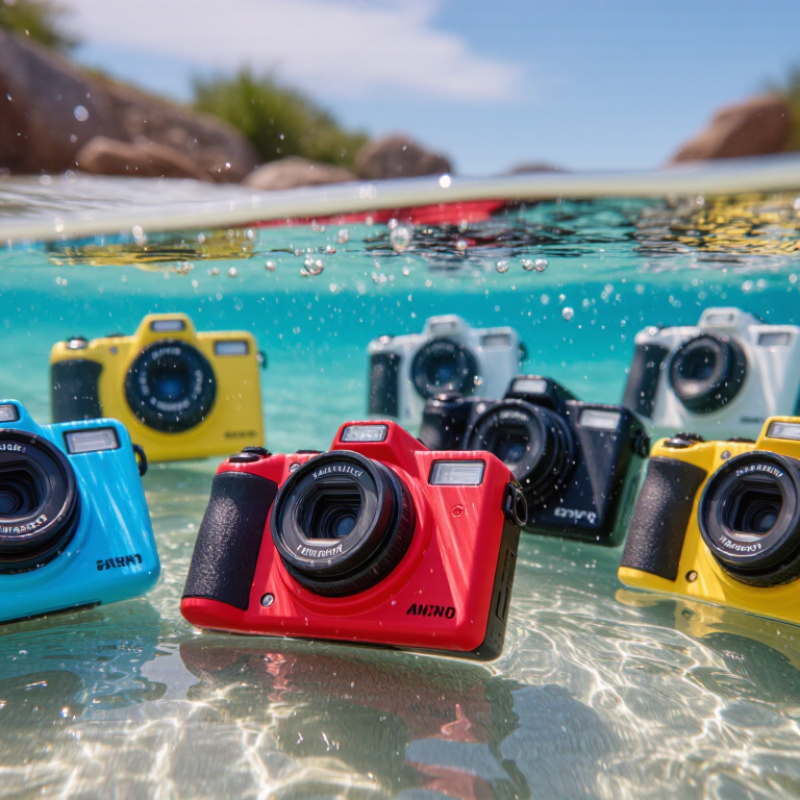
China Top 10 Waterproof Cameras What Depth Is Best?

Waterproof Camera Ratings and What Each Depth Level Means

Waterproof camera ratings describe tested conditions, not guaranteed adventure limits. IEC 60529 defines IPX7 as immersion to one metre for 30 minutes. IPX8 means deeper or longer immersion, but the manufacturer must specify the exact conditions. This difference matters. IPX8 does not automatically mean 30 metres.

Depth creates pressure quickly. NOAA reports that seawater pressure increases by roughly one atmosphere every 10 metres. At 20 metres, seals face about three atmospheres of total pressure, including surface pressure. Saltwater, sand, temperature changes, and repeated opening can weaken protection. A camera rated for 10 metres may suit swimming, rain, and shallow snorkeling. A 30-metre rating offers more working room, but it still requires careful maintenance. Ratings alone can mislead.

Tips: Choose a depth rating above your planned maximum. Rinse the housing with fresh water after seawater use. Check seals for grit, hair, or flattening. Never open the battery door while wet. Professional testing is usually controlled and still. Real waves are less predictable. That is the uncomfortable part. The IEC 60529 standard and NOAA pressure data are useful references, but neither replaces the camera’s own depth instructions. I would also treat an aging seal as a warning, not a minor inconvenience.

Key Features to Compare in the Top 10 Waterproof Cameras

Choosing among the top 10 waterproof cameras requires more than reading maximum-depth numbers. According to IEC 60529, an IP rating describes protection against dust and water exposure, not diving performance. A camera marked IP68 may still have a limited depth and time rating. Compare the manufacturer’s tested depth, sealing method, and required housing. NOAA data shows pressure increases by about one atmosphere every 10 meters in seawater. Small seals face serious stress.

Image quality also matters underwater. Look for a one-inch or larger sensor, optical stabilization, and a wide lens with limited edge distortion. A 2024 action-camera market analysis by Grand View Research identifies image quality, stabilization, and compact design as major purchase factors. Battery performance deserves equal attention. Cold water can reduce runtime, while continuous 4K recording creates heat. Check battery capacity, charging speed, screen brightness, and whether controls work with wet fingers.

Tips: Test the door seal first. Use fresh water afterward. Inspect gaskets carefully.

Depth should match real use. Snorkeling usually needs shallow-water protection, while recreational diving demands a housing rated beyond the planned depth. Leave a safety margin; advertised limits are not invitations to test failure. I have found that complicated menu systems become frustrating underwater, especially with gloves. That detail is easy to ignore. Compare button size, color correction, low-light results, and recovery options for fogged lenses. A camera can be technically waterproof yet practically awkward.

Best Waterproof Cameras for Shallow Water and Everyday Use

When choosing among China’s top 10 waterproof cameras, depth rating should match your real routine. For shallow water and everyday use, a camera rated between 3 and 10 meters is often practical. It can handle pool splashes, rainy streets, kayaking, and children playing near the water. A 3-meter model suits casual beach photos, while 10 meters offers more breathing room.

Check the sealing system before trusting the rating. A tight battery door matters as much as the number on the box. Rinse the camera with fresh water after swimming, then dry it before opening the compartment. Sand can damage the seal quickly. I once focused too much on depth and ignored grip comfort; wet buttons became awkward, and several photos were poorly framed. That mistake still matters.

For daily carrying, choose a compact body with a clear screen and simple controls. A wide lens helps capture friends, shallow reefs, and narrow boat interiors. Image quality may decrease underwater because colors lose warmth and contrast. A small red or orange accessory can help restore visual balance, but it is not magic. Avoid pushing a shallow-water camera beyond its rating, even for one quick shot. Pressure changes, damaged seals, and repeated impacts can create hidden risks. Depth numbers are useful, but careful handling is more reliable.

Top Choices for Diving, Snorkeling, and Greater Depths

China Top 10 Waterproof Cameras: What Depth Is Best?

When comparing China’s top ten waterproof cameras, depth rating should match your real water activity. For snorkeling, a camera rated to 10 meters often provides enough protection. You can capture coral edges, drifting fish, and sunlit swimmers without carrying extra housing. For casual diving, choose a model tested for at least 20 meters. Greater depth is not automatically better. Pressure increases quickly, and a weak door seal can ruin an expensive dive. Look for clear depth limits, temperature guidance, and reliable after-sales documentation. These details show more expertise than a dramatic product photograph.

Before descending, inspect the gasket under bright light and remove every grain of sand. Close the battery door carefully. I have found that rushed preparation causes more failures than ordinary underwater pressure. After saltwater use, rinse the camera with clean, cool water and let it dry naturally. Do not open the compartment while moisture remains on the surface. For dives beyond 20 meters, use a dedicated housing rated above your planned depth. Leave a safety margin of several meters, especially in cold or murky water. Controls may feel stiff, and framing becomes harder than expected. A depth rating is only a laboratory reference, not a promise for every trip. I would rather accept fewer features than gamble with a leaking seal.

How to Select the Right Waterproof Camera for Your Activities

Choosing a waterproof camera starts with your activity, not a promised depth number. For pool sessions, kayaking, and rainy hiking, a camera rated around 10 meters is usually practical. Snorkeling needs more margin, often 10 to 30 meters. Recreational diving demands a housing designed for the planned depth. NOAA explains that water pressure rises by about one atmosphere every 10 meters in seawater. That pressure can stress seals, buttons, and battery doors.

Depth ratings are not perfectly comparable. Under IEC 60529, an IPX8 rating means protection during continuous immersion under conditions defined by the manufacturer. It does not automatically mean deep diving. CIPA reported about 8.49 million digital camera shipments in 2024, showing a large and varied market. Still, specifications can hide important differences. Check operating depth, test conditions, temperature limits, shock resistance, and whether the rating applies without extra housing. A bright screen matters in shallow water. Physical buttons matter when wearing gloves.

Tips: Match the camera to your real depth, then leave a safety margin. Rinse it with fresh water after every saltwater trip. Inspect the seal under a lamp. I once trusted a depth label too much and ignored a loose battery cover. That small oversight mattered more than the advertised rating. Also test controls in a sink before traveling. Dry sand and hair can break a seal. Choose stabilization for moving boats, macro focus for reef details, and strong low-light performance for deeper water. Specs help, but handling experience often reveals the better choice.

China Top 10 Waterproof Cameras: What Depth Is Best?

Recommended minimum waterproof rating by activity. Choose a camera rated deeper than your expected operating depth to provide a practical safety margin.

Ratings are shown in metres and reflect common depth requirements for recreational use. A depth rating applies only when the camera, battery door, seals, and any required housing are correctly maintained and closed.

FAQS

Does an IP68 rating mean a camera is safe for diving?

No. IP ratings describe dust and water protection, not complete diving performance. Check the tested depth and time limit. Pressure rises by about one atmosphere every 10 meters in seawater. Small seals matter.

What depth rating suits shallow-water photography?

A rating between 3 and 10 meters often suits pools, rain, kayaking, and beach activities. Choose 3 meters for casual splashes. Choose 10 meters for extra space. Do not treat the limit as a target.

What should I inspect before using a waterproof camera?

Test the battery-door seal before entering the water. Check the gasket for sand, hair, cracks, or deformation. Confirm that the door closes firmly. I once focused on depth and ignored the seal.

What image features help underwater photography?

A one-inch or larger sensor can improve detail and low-light results. Optical stabilization helps reduce motion blur. A wide lens captures people, reefs, and narrow boat interiors. Check edge distortion carefully.

Why can underwater colors look dull?

Water reduces warmth and contrast, especially below the surface. A small red or orange accessory may help balance colors. It is not magic. Good lighting still matters more.

How does cold water affect battery performance?

Cold water can shorten battery runtime. Continuous 4K recording may also create heat. Compare battery capacity, charging speed, screen brightness, and recording time. Keep a spare battery nearby.

Are simple controls important underwater?

Yes. Wet fingers and gloves make small buttons difficult to use. Large buttons and clear menus reduce frustration. Complicated controls can ruin a carefully planned shot. That detail is easy to miss.

How should I clean the camera after swimming?

Rinse it with fresh water after use. Dry the body before opening the battery compartment. Inspect the gasket again. Sand can damage sealing surfaces quickly. I would not skip this step.

Should I use a housing for recreational diving?

Use a housing rated beyond your planned depth. Leave a safety margin for movement and unexpected conditions. A camera may be waterproof yet unsuitable for deeper water. Ratings are guidance, not invitations to test failure.

Conclusion

Choosing among the top 10 waterproof cameras starts with understanding depth ratings. Some models are designed for rain, pools, and shallow water, while others can handle snorkeling or deeper diving when used within their stated limits. The keyword question, “what is the best underwater depth for waterproof cameras,” has no single answer because the ideal depth depends on your activity, safety needs, and shooting conditions. Always treat the depth rating as a maximum guideline rather than a target.

Important features to compare include image quality, low-light performance, stabilization, battery life, controls, screen visibility, durability, and ease of use underwater. For everyday use and shallow water, a compact camera with simple controls and reliable sealing may be enough. Divers and snorkelers should consider greater depth protection, strong housing construction, clear operation, and dependable performance in reduced light. By matching the camera’s rating and features to your planned activities, you can choose a practical model that captures underwater moments without paying for capabilities you do not need.

Sienna

Sienna

Sienna is a skilled marketing professional with a deep expertise in our company’s core products and services. With a passion for innovation and detail, she plays a pivotal role in crafting insightful blog posts that not only highlight the unique features of our offerings but also provide valuable......