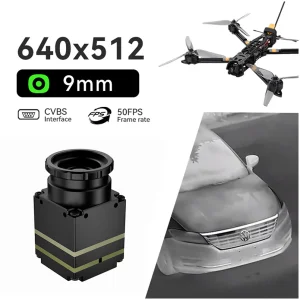
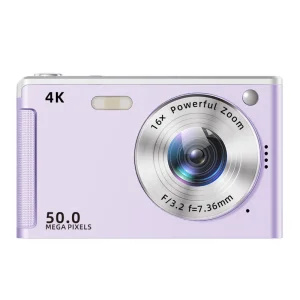
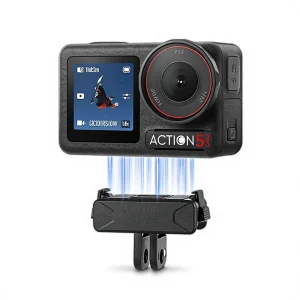
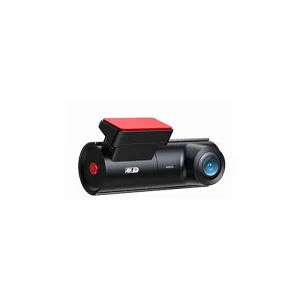
Industrial-grade thermal sensors, consumer-facing optics, and high-capacity portable camera power supply architectures.
Analyzing the paradigm shift in digital imaging power density, thermal performance, and smart management.
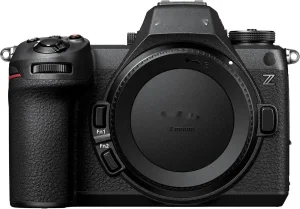
In the contemporary landscape of high-performance imaging, the camera battery is no longer a passive container of chemical energy; it is a critical component of the system architecture. As devices transition to ultra-high-resolution 4K/8K workflows, AI-driven edge tracking, and starlight thermal imaging, the peak power demands on the power delivery network have escalated. This whitepaper, compiled by the technical committee at Shenzhen Vuelo Camera Technology Co., Ltd., analyzes the design constraints, manufacturing protocols, and raw material trends that dictate the efficiency and safety of next-generation camera batteries.
With more than 22 years of expertise in the imaging industry, Vuelo has observed the transition from traditional analog power configurations to smart, high-density Lithium-ion and Lithium-polymer packs. Modern smart systems demand precise integration between the battery cell chemistries, the protective battery management system (BMS), and the host camera's image processor. By aligning active materials with smart hardware designs, manufacturers can achieve maximum runtime while maintaining a stable form factor under extreme environmental conditions.
Shenzhen Vuelo Camera Technology Co., Ltd. is an industry-leading manufacturer with over 22 years of specialized expertise in the design, development, and production of a wide range of imaging products. Our portfolio spans Optical Zoom Cameras, Digital Cameras, Instant Print Cameras, Creative Cameras for Kids, and Outdoor Specialty Cameras. As a pioneer in the imaging space, Vuelo has managed the transformation from traditional analog film formats to cutting-edge digital and smart connected imaging solutions.
Our brand, Vuelo, was officially registered worldwide in 2013. By leveraging continuous feedback from customers, dealers, and global system integration partners, we refine our optical systems and custom power designs. Our product design philosophy centers on real-world utility and engineering integrity, ensuring that whether a device is deployed in industrial inspection or extreme sports, the battery infrastructure delivers unwavering reliability.

Navigating the transition from high-nickel ternary chemistries to solid-state electrolytes and intelligent silicon-anode cells.
To sustain the high-drain requirements of modern digital camera engines, battery chemistry must evolve beyond typical cobalt-dominated formulations. The technical roadmap for high-performance imaging batteries focuses on three main fronts: energy density enhancement, structural safety, and high-rate discharge stability under thermal stress.
By blending silicon nano-particles into standard graphite anodes, the theoretical specific capacity is increased significantly. This allows camera battery packs to achieve energy densities exceeding 300 Wh/kg, translating to a 35% increase in runtime for devices like body-worn cameras and professional DSLRs without expanding physical dimensions.
Transitioning to NCM 811 (80% Nickel, 10% Cobalt, 10% Manganese) reduces reliance on expensive cobalt while boosting chemical activity. This chemical profile provides the high instantaneous current required during high-frame-rate 4K encoding and sustained starlight thermal sensor operation.
The ultimate goal of our R&D pipeline is the integration of semi-solid and solid-state polymer electrolytes. By eliminating the volatile organic liquid solvent, solid-state batteries eliminate the risk of thermal runaway, enabling safe operation in extreme temperatures ranging from -40°C to 80°C.
Over the next five years, the integration of these technologies will minimize the internal resistance ($R_{ac}$ and $R_{dc}$) of pouch and cylindrical cells. Reducing internal resistance prevents voltage drops during burst-mode processing, protecting digital cameras from premature shutdown during critical recording windows.
A step-by-step look at Vuelo's advanced assembly line, quality verification protocols, and automation facilities.
Modern camera battery manufacturing requires strict environmental control and high precision. At Vuelo’s facility in Shenzhen, our manufacturing processes are executed under precise climate controls, maintaining relative humidity below 20% and particle counts within cleanroom standards. This control prevents microscopic metallic contamination, which is a primary cause of latent internal short circuits in lithium-based cells.
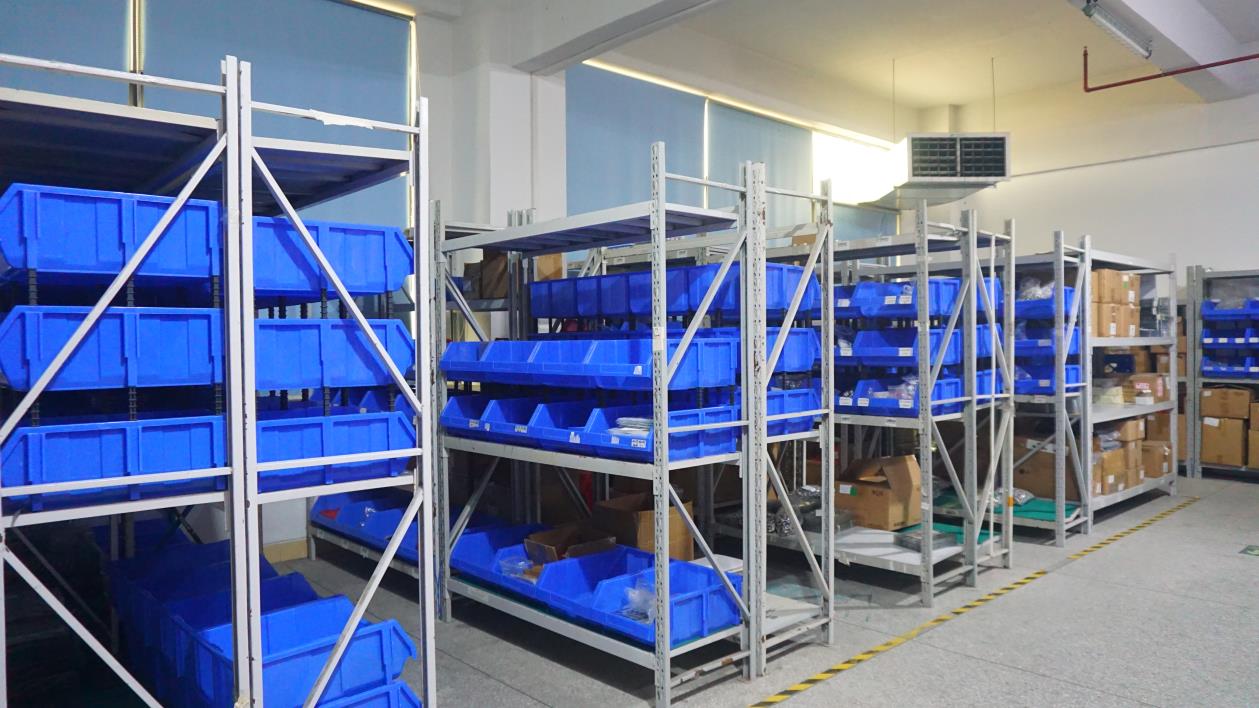
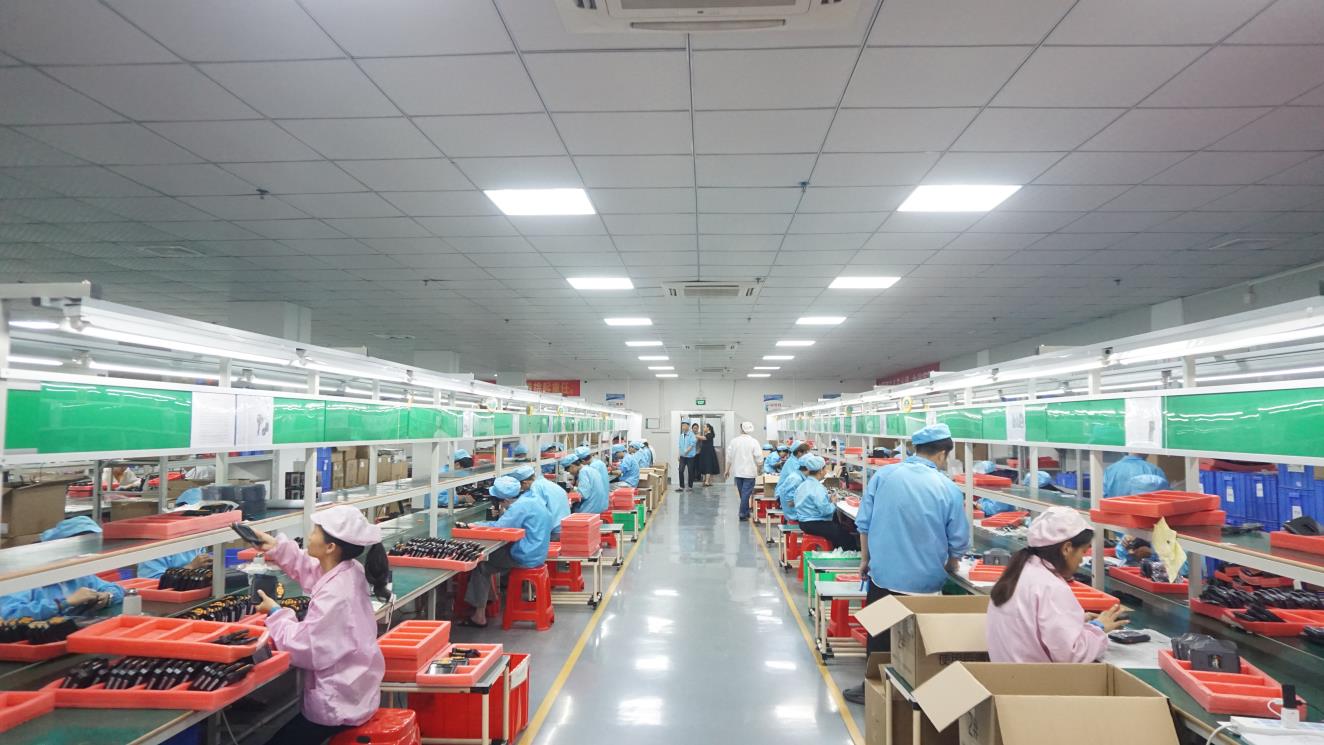
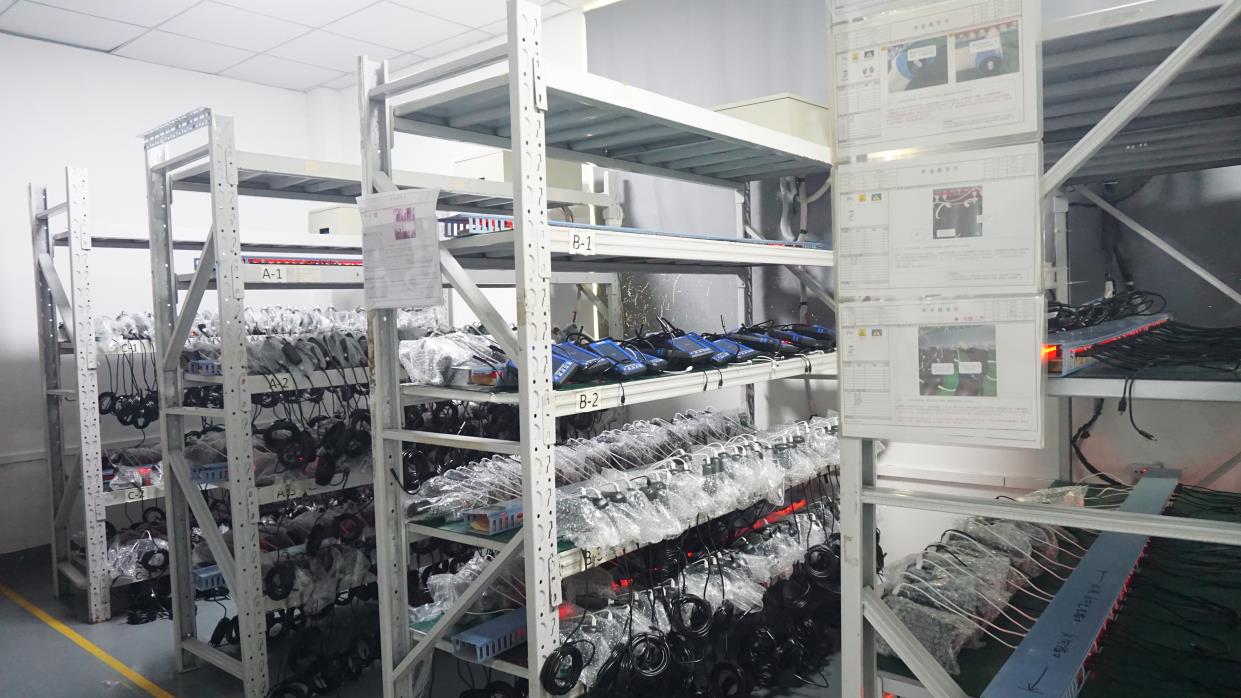
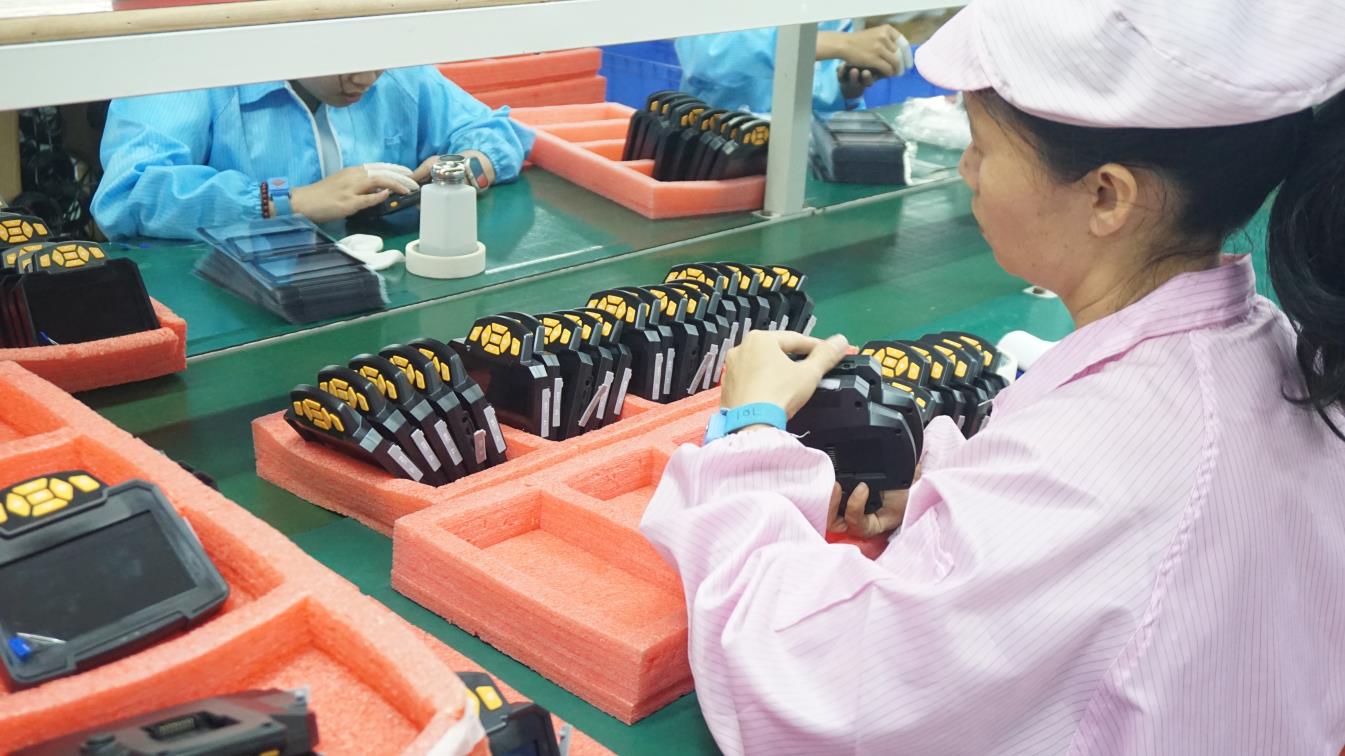
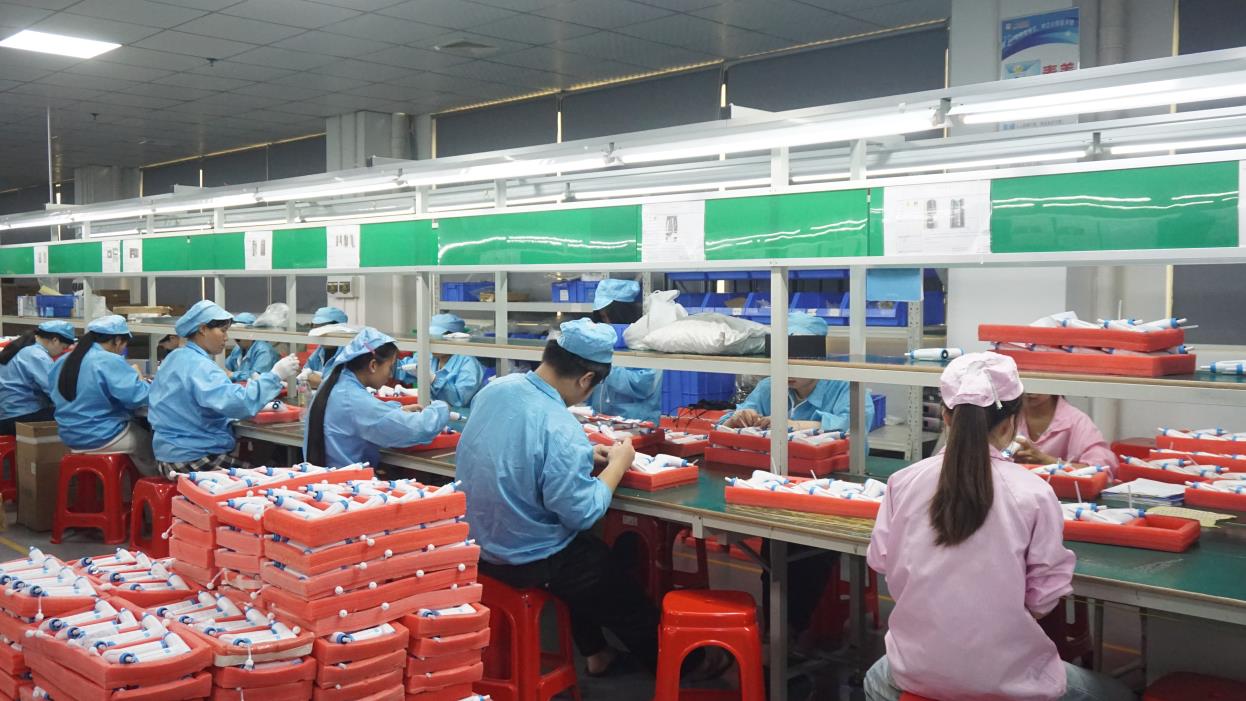
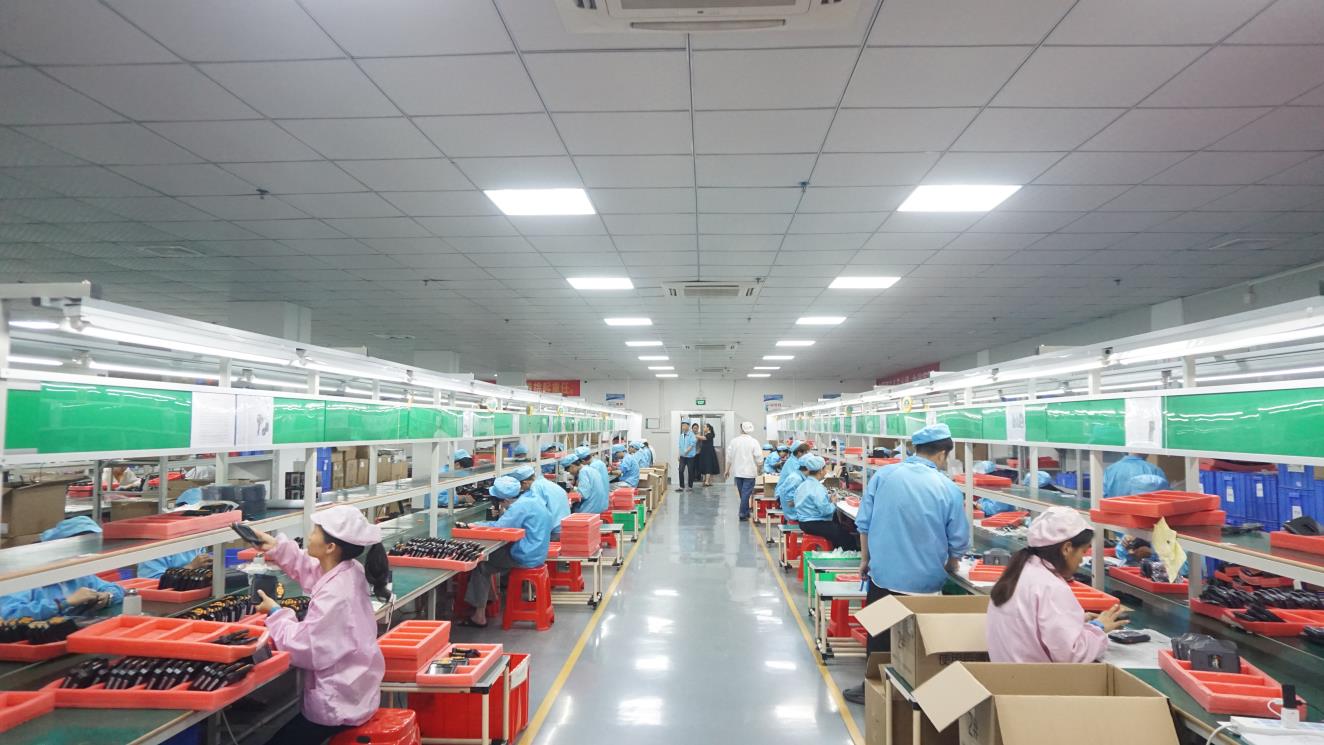
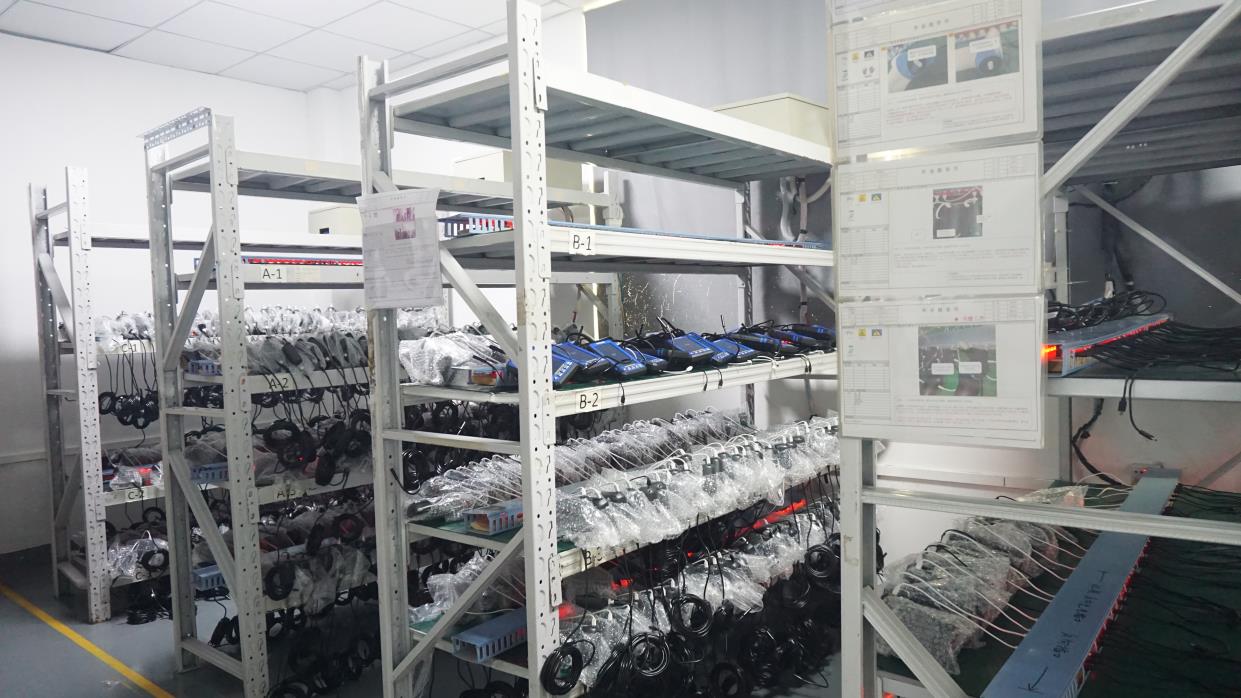
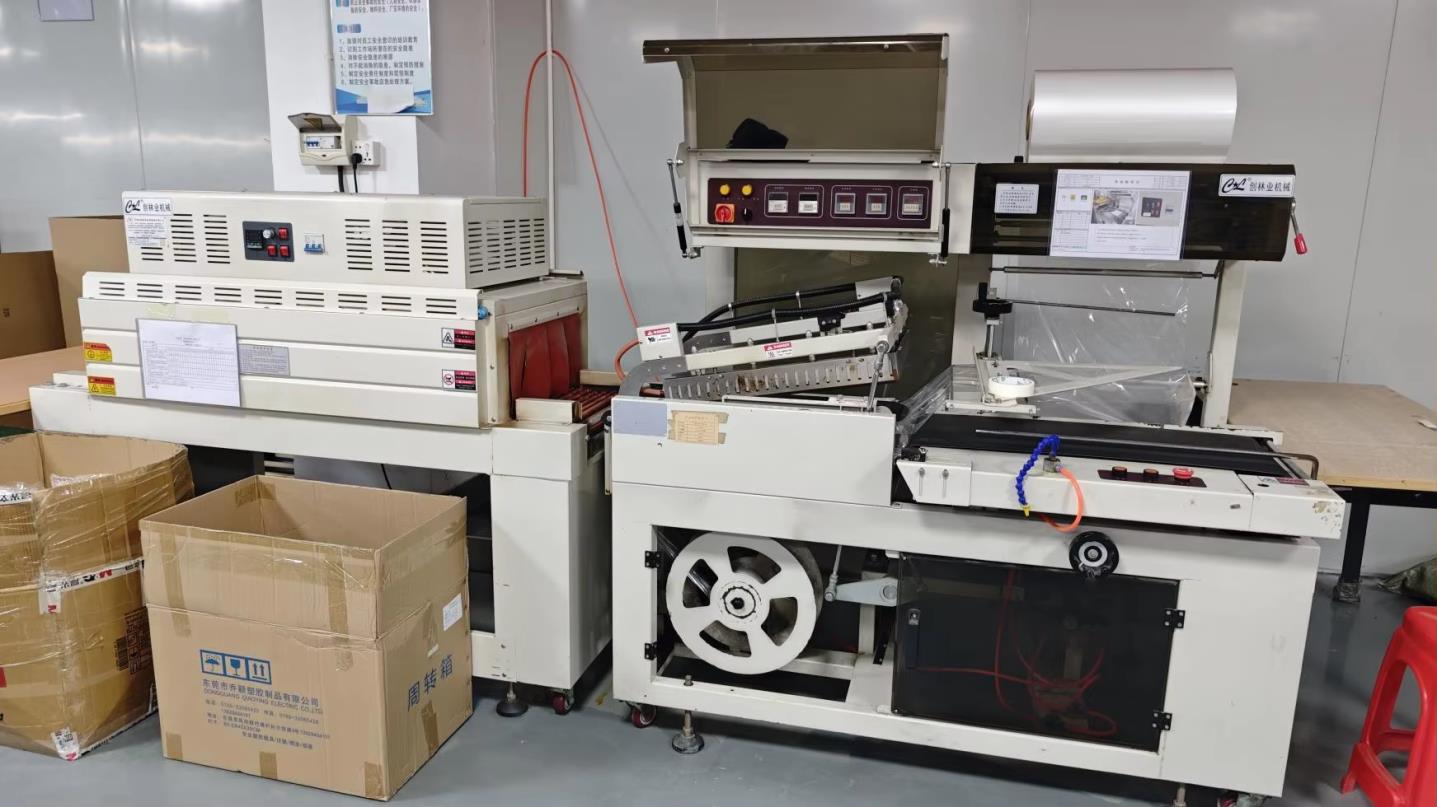
Our quality assurance workflow runs through every phase of the manufacturing process:
Years Industry Experience
Wh/kg Target Energy Density
Automated Cell Grading
Critical Field Failures
Custom power designs tailored for distinct deployment environments and operating requirements.
Modern imaging applications present distinct operational challenges, requiring specialized power configurations:
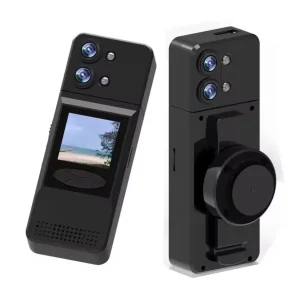
Body-worn systems require small, lightweight batteries that provide long runtimes. Operating in shift-based routines, these devices need reliable power delivery over many hours. The 3000mAh battery built for these systems utilizes a lithium-polymer formulation with high cycle life (exceeding 800 charge-discharge cycles at 80% capacity retention). It includes a high-accuracy fuel gauge IC utilizing the SMBus protocol, giving operators real-time status updates down to the minute.
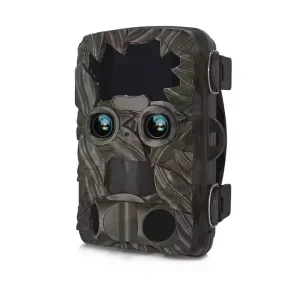
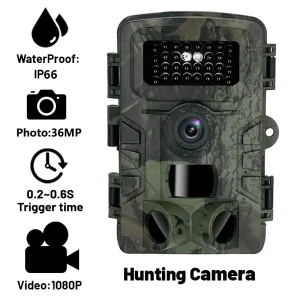
Trail cameras and remote environmental monitors must operate reliably for months in extreme temperatures. Vuelo's batteries for these applications use low-temperature electrolytes and specialized pouch designs. These modifications prevent lithium plating when charging in freezing conditions (down to -20°C) and reduce self-discharge to less than 1.5% per month, allowing devices to remain functional in remote locations for extended periods.
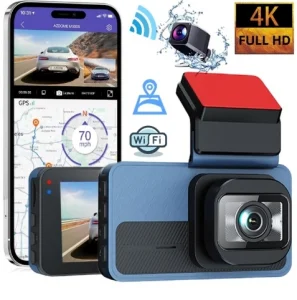
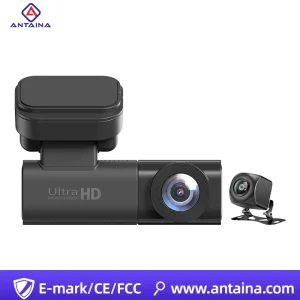
Dashboard cameras face high cabin temperatures when parked in direct sunlight. Using standard lithium batteries in these environments presents safety risks. Vuelo designs and implements high-temperature hybrid capacitors and heat-stabilized Lithium Iron Phosphate (LiFePO4) systems. These designs can withstand temperatures up to 85°C, ensuring continuous loop recording and safe shut-downs in high-heat scenarios.
Structuring the procurement process for complex B2B camera system integrations.
For global B2B buyers, camera battery procurement goes beyond mechanical size constraints. Our OEM/ODM engineering division works closely with procurement teams to address several key technical variables:
Integration with host camera processors via I2C, SMBus, or HDQ protocols. This provides the host camera with access to battery metrics like cycle count, state of health (SoH), temperature, and transient current spikes.
Redundant protection circuits (OVP, UVP, OCP, OTP) that isolate cells in the event of external short circuits or hardware failures.
Custom enclosures designed to meet IP67/IP68 dust and water resistance standards, suitable for applications like underwater action cameras and marine security systems.
By standardizing these engineering requirements early in the design cycle, we help B2B buyers streamline product development and shorten time-to-market.
Navigating the complex global regulatory environment for lithium battery transport and operation.
As a global supplier, Vuelo maintains compliance with international safety and transport regulations. Lithium batteries are classified as Class 9 Dangerous Goods, meaning every cell design must pass rigorous testing before distribution:
Vuelo manages the testing and documentation process, providing complete MSDS reports, UN38.3 test records, and declarations of conformity with every production batch. This documentation ensures smooth customs clearance and regulatory compliance for international shipments.
Detailed technical answers to common questions raised during the design and procurement stages.
A look at Vuelo's broader catalog, including automotive recorders, outdoor cameras, and specialized industrial components.
 Vuelo Camera